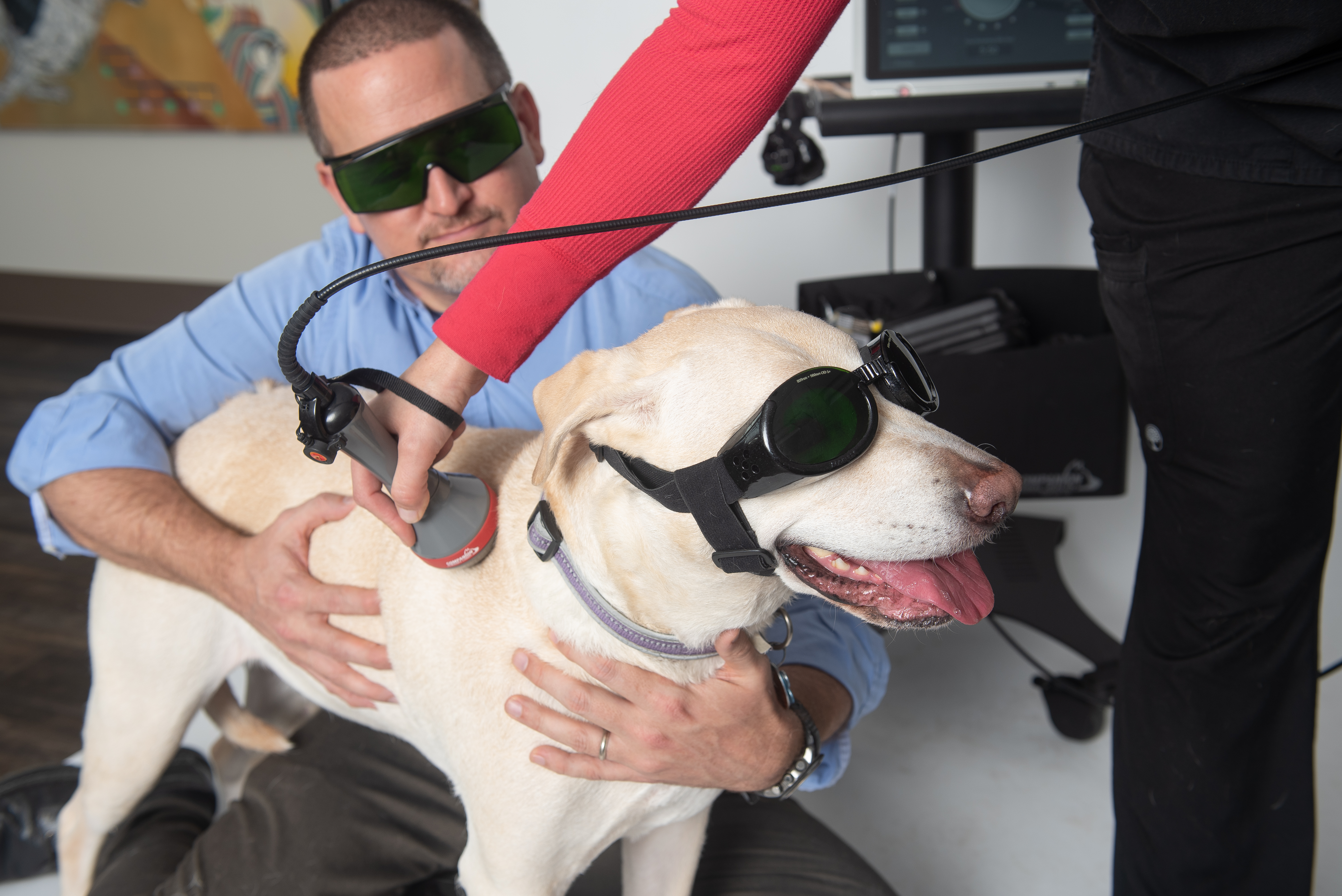
WHAT IS SPORTS MEDICINE AND ANIMAL PHYSICAL REHABILITATION?
Our Veterinary Sports Medicine and Rehabilitation services use non-surgical methods to alleviate pain, restore function, and improve mobility and quality of life in small animals. Led by Dr. Looney, our approach begins with a comprehensive examination of your pet. We then create a tailored plan that considers your concerns and prioritizes your pet’s comfort and well-being, aiming to enhance both their psychological and physiological state.
Comprehensive Rehabilitation Plans
Rehabilitation involves physical manipulations and therapies, rather than drugs, to relieve pain, promote healing, and improve function. Our customized rehabilitation plans address the specific needs of each pet, considering their unique disease processes or disabilities. Our ultimate goal is to ensure your pet’s comfort and ability to perform daily tasks as normally as possible. The benefits include an improved psychological state and enhanced quality of life for your pet and your family.
Trust our expertise in veterinary sports medicine and rehabilitation to provide your pet with the best care and improve their overall well-being.

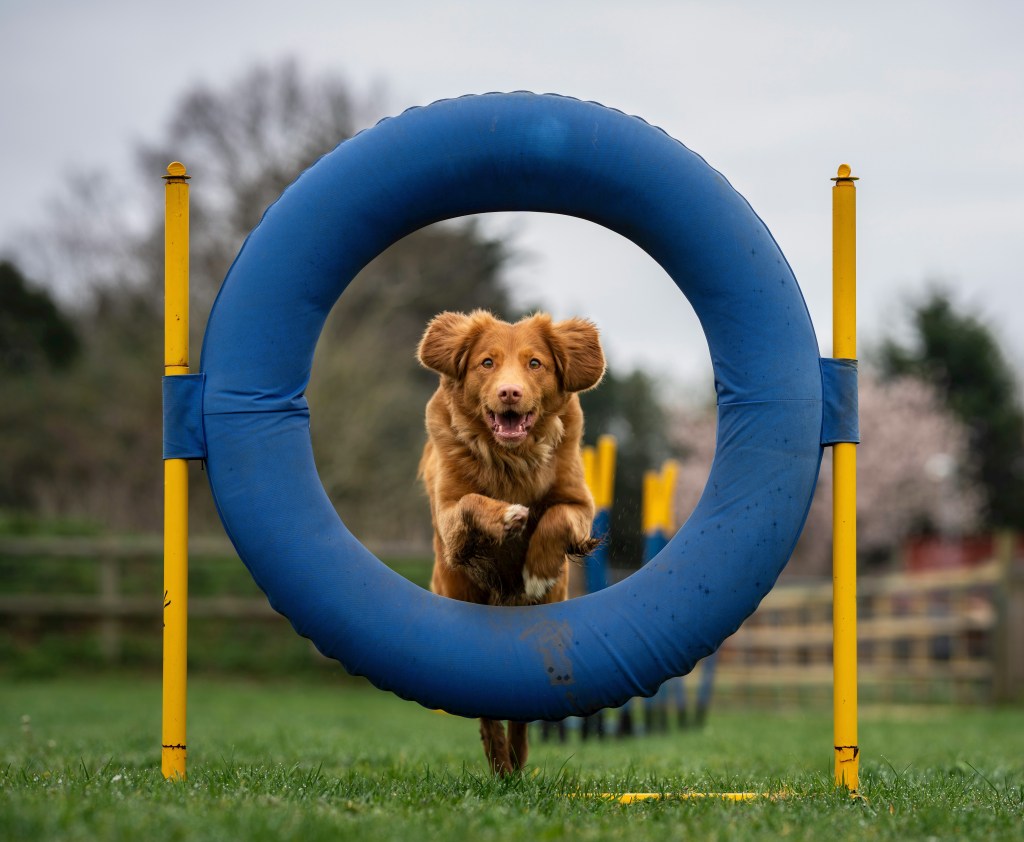

Indications for sports medicine consult:
- Osteoarthritis
- Nerve injury
- Tendon, ligament, and muscle strain
- Wounds
- Inflammation
- Spinal and back injury
- Pain control
- Vestibular disease
- Post surgical recovery
- Congenital deformities
Treatments and therapies offered:
- Manual techniques and massage
- Electrical stimulation
- Acupuncture and acupoint injections
- Regenerative therapies (PRP and stem cell)
- Therapeutic exercise
- Therapeutic ultrasound
- Photobiomodulation (laser therapy)
- Joint injections
Pain Management for Pets
As pet owners, we share a deep bond with our furry companions. Their well-being is our utmost priority. Whether it’s due to illness, injury, or aging, understanding and effectively managing pain in pets is crucial for their quality of life.
Recognizing Pain in Pets
Pets, like humans, experience pain in various ways. However, they often mask their discomfort as a survival instinct. As responsible pet parents, we must be attuned to subtle signs that indicate pain:
- Behavioral Changes: Look out for alterations in behavior. Is your dog less active, withdrawn, or unusually aggressive? These could be signs of pain.
- Physical Signs: Observe any limping, stiffness, or reluctance to perform certain activities (such as climbing stairs or jumping).
- Vocalization: Whimpering, vocalizing, or increased panting may indicate pain.
- Appetite Changes: A decrease in appetite could be linked to discomfort.
- Social Withdrawal: Pets in pain may become anti-social or avoid human interaction.
Pain Management Strategies
For a full spectrum of treatments our team can offer, reach out to our Rehabilitation team to set up a consultation.
Comprehensive Approaches
- Cold Compression: Applying cold packs to reduce inflammation.
- Therapy Lasers: Non-invasive laser therapy for pain relief.
- Acupuncture: Stimulating specific points to alleviate discomfort.
- Therapeutic Exercise: Tailored exercises to improve mobility.
- Weight Optimization: Maintaining a healthy weight reduces strain on joints.
- Heat Therapy: Warm compresses soothe sore muscles.
- Orthotics/prosthetics: Properly applied bandages can support injured areas.
Medications
- Nonsteroidal Anti-Inflammatory Drugs (NSAIDs). These drugs interfere with the body’s production of inflammatory molecules that trigger pain and swelling.
- Opioids. Used for more severe pain. Opioids are used to treat severe surgical pain and may also be used in advanced cases of cancer or to control severe arthritis pain. Opioids have a place in selected cases to maintain a good quality of life for a dog experiencing chronic pain.
- Other: New applications for existing medications.