
Whether you’re embarking on a cross-country road trip or soaring through the skies, traveling with your beloved pet requires planning, patience, and a dash of adventure. Let’s explore safety tips for both car and plane journeys:
Traveling by Car: Cruising with Canines and Feline Friends
1. Buckle Up, Paws In!
- Dogs: The safest way for your dog to travel is in a crate anchored to the vehicle using a seatbelt. This form of travel, although truly safe, isn’t the best for every pet. There are other dog restraints that can keep them safe including: harness and seatbelts, back seat hammocks, and partitions that prevent them from jumping to the driving seat. These restraints can prevent roaming but may not protect them from injury during a crash. The best way to prevent injury is with a crate.
- Cats: Keep them in a carrier secured with a seatbelt to prevent bouncing around. Using pheromones sprays have been known to help calm our feline friends in stressful situations. If your cat has a favorite blanket or pillow at home, it would be a great idea to keep that in their crate for travel.
2. Back Seat Only:
- Whether harnessed and buckled in, or in a crate, place your pet in the back seat. Airbags deploying in the passenger seat (even with a crate) can injure your pet.
- Never transport pets in the back of an open pickup truck.
3. Rest Stops and Tail Wags:
- Stop frequently for exercise and bathroom breaks. During long road trips, it is recommended to stop every 2-4 hours (and that is for your health too!).
- Always keep your pet on a leash with a collar and ID tag when taking walk breaks.
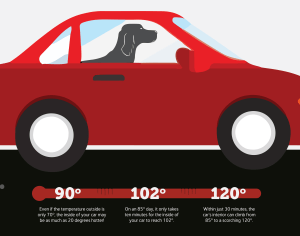
4. Avoid Hot Cars:
- Heat inside a car can rise rapidly. Even a short pit stop can be dangerous.
- Spread awareness about leaving pets in hot cars.

5. Share Driving Duties:
- If possible, bring a friend or family member to help with pet care during rest stops.
Traveling by Plane: Soaring with Whiskers and Fido
1. Check Airline Policies:
- Follow airline guidelines for pet travel.
- If hand-carrying, never place your pet in an overhead bin.
2. Know Your Pet’s Location:
- Understand where your pet will be during the flight and where you will need to be to collect them at your destination.
3. In-Flight Comfort:
- Provide water during layovers or as allowed by the airline.
- Consider using calming pheromone sprays or treats.
- If your pet has severe anxiety or heart or breathing issues, consult your veterinarian before travel.
Health Certificates for Travel?
Proof of Rabies Vaccine or Health Certificate?
A true health certificate is not needed for every trip with your pet, but it is recommended that you carry a rabies a certificate at all times. Even for car travel, having your pet’s most current rabies certificate and ensuring they’re cleared of parasites is important. Although a true certificate is not needed to travel between states, there are situations that may arise where having at least a vaccine record will come in handy. Some hotels or camp grounds may also require proof of rabies before being allowed to stay.
Signed Health Certificates
Veterinarian signed health certificates will be required to travel internationally, including Canada, even by car. These health certificates require a veterinary exam by a veterinarian that can perform International certificates. Call your veterinarian to inquire about these appointments.
Airlines may also require specific certificates for pets traveling in the cabin. The USDA has a great website to help you navigate what paperwork you might need for the type of travel you are doing.
Remember, safety first! Whether you’re cruising down highways or flying through clouds, your pet’s well-being is the ultimate destination. Bon voyage!